
AI systems that move from prediction to action
MLPowersAI designs and deploys machine-learning models and agentic AI systems that connect data, decisions, and real-world execution.
Why prediction still matters
Real-world systems such as industrial processes, markets, and complex operations are inherently nonlinear. They evolve over time, respond to multiple interacting variables, and rarely behave in simple or predictable ways.
This is where machine learning, and particularly neural-network-based models, has transformed what is possible. By learning directly from data, modern ML models can uncover patterns and relationships that traditional approaches struggle to capture. When designed and trained carefully, these models enable reliable and continuous prediction in environments where uncertainty is the norm.
Prediction, however, is not the end goal. Its real power lies in what it enables: ongoing insight, informed decision-making, and the ability to act intelligently as conditions change. The question organizations now face is how to move from powerful predictive models to systems that can make practical sense of those predictions and use them effectively in real-world settings.
A unified approach to predictive intelligence
Machine learning is most effective when prediction is grounded in the structure of the system being modeled. At MLPowersAI, predictive models are developed with explicit attention to context, whether the system is physical, economic, or abstract. This leads to three complementary modeling approaches.
Process Machine Learning (PML)
What it is
Predictive models for physical and operational systems governed by nonlinear dynamics.
What it captures
Complex interactions in processes such as manufacturing, energy systems, materials, and engineered environments.
Why it matters
PML enables reliable prediction where traditional models struggle, supporting continuous insight into real-world processes.
Business Machine Learning (BML)
What it is
Predictive modeling focused on economic, financial, and operational decision spaces.
What it captures
Relationships between cost, revenue, risk, demand, and performance across time and scenarios.
Why it matters
BML translates data into quantitative business insight, enabling informed decisions under uncertainty.
General Machine Learning (GML)
What it is
A flexible predictive layer for problems that do not fall cleanly into physical or economic categories.
What it captures
Patterns in complex, high-dimensional data across domains such as forecasting, classification, and pattern recognition.
Why it matters
GML provides adaptability, allowing predictive intelligence to extend across diverse applications.
Beyond models: making intelligence operational
Reliable prediction creates opportunity, but real-world environments require more than static model outputs. Decisions must be made repeatedly, context must be interpreted, and actions must adapt as conditions change.
Agentic AI addresses this gap by introducing a reasoning and orchestration layer around predictive models. Rather than treating models as isolated components, agentic systems can interpret predictions, invoke tools, interact with data sources, and coordinate actions toward defined goals.
At MLPowersAI, agentic AI is not positioned as a replacement for machine learning models. It is designed to build on PML, BML, and GML, using their predictions as inputs to structured, goal-driven workflows that operate continuously and autonomously within real-world constraints.
From models to production AI systems
At scale, intelligence emerges from how predictive models, tools, and execution are connected. MLPowersAI designs AI systems where machine-learning models operate as part of a larger, coordinated workflow rather than as standalone components.
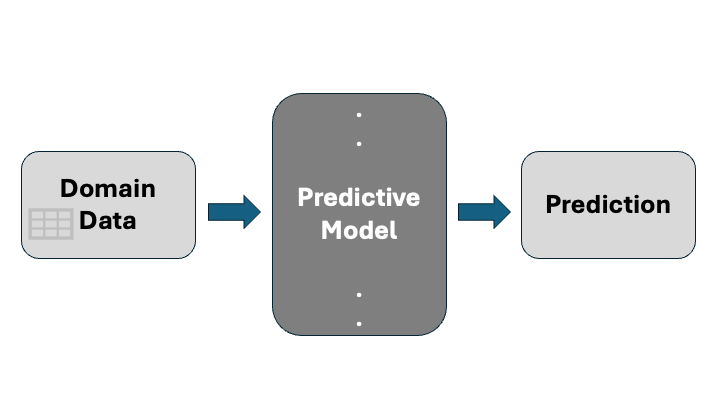
Predictive Models
PML, BML, and GML models generate reliable predictions grounded in domain-specific data and nonlinear system behavior.

Tools and Data
Models are complemented by tools such as databases, simulations, APIs, and business logic that provide context and constraints.
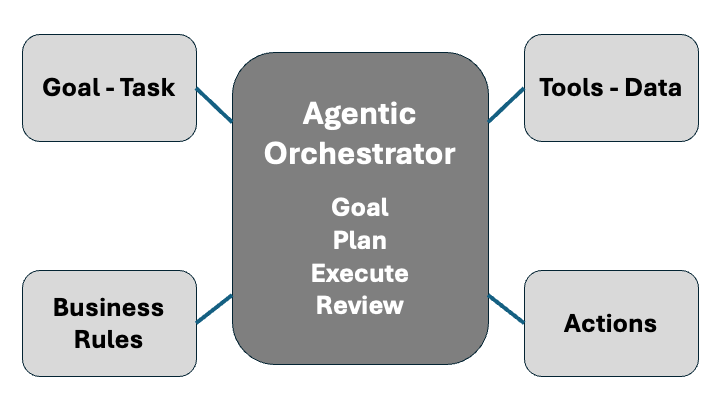
Agentic AI
Agentic systems interpret predictions, invoke tools, coordinate steps, and manage goal-directed workflows without manual intervention.

Deployment
The resulting systems are deployed as production services, integrated into real operational environments, and designed to run continuously.
Built, deployed, and validated
MLPowersAI’s work is grounded in real systems, real data, and real deployments. Predictive models and agentic workflows are developed with production constraints in mind, including data availability, system reliability, and operational continuity.
The company’s work spans multiple domains, including advanced manufacturing, process engineering, and financial modeling. Solutions are informed by deep domain expertise and are validated through live demonstrations, deployed services, and published technical and applied research.
Rather than focusing on prototypes or one-off analyses, MLPowersAI emphasizes end-to-end systems that can be trained, deployed, monitored, and evolved over time.
Explore live AI systems
MLPowersAI maintains live demonstrations of predictive models and agentic AI systems that reflect the same architectures and workflows described above.

Process ML (PML)
Live predictive models applied to nonlinear physical and operational systems, including manufacturing and process-engineering use cases.
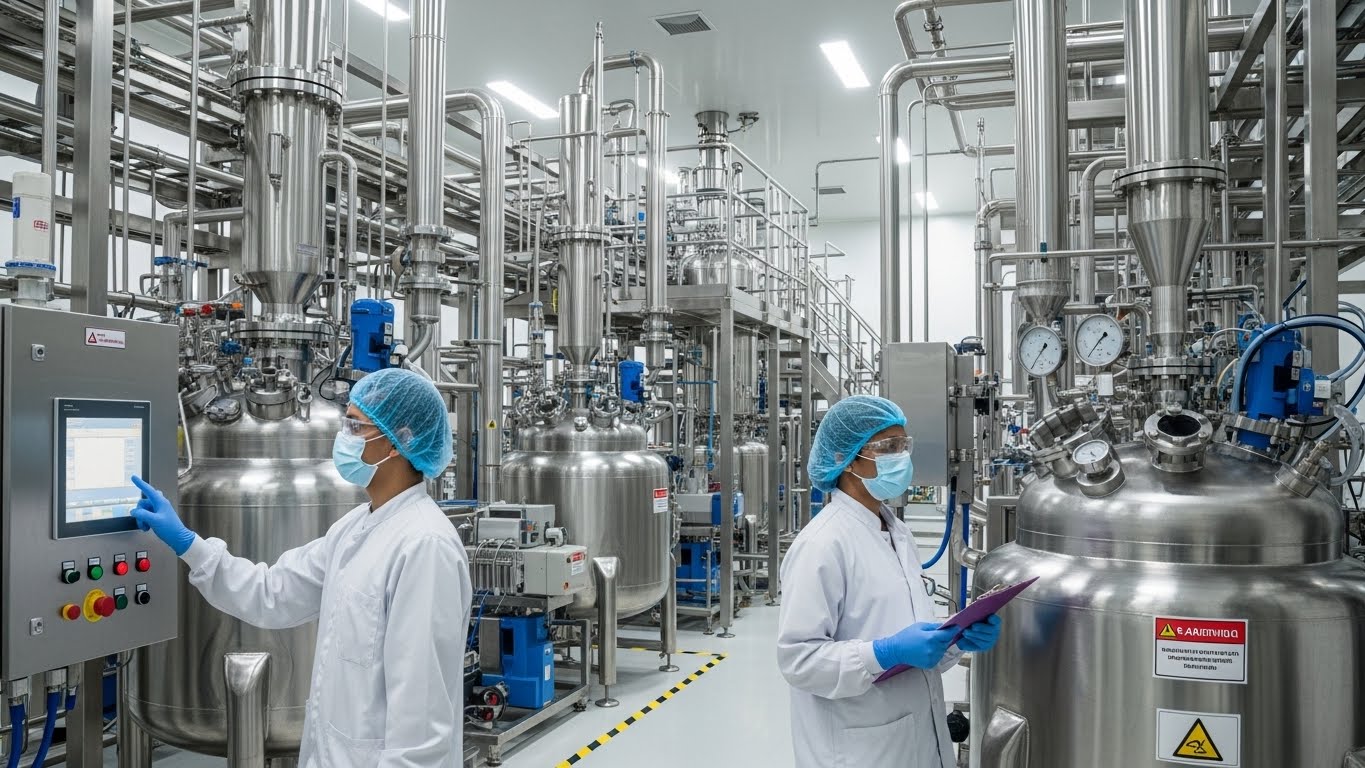
Business ML (BML)
Neural-network models focused on financial and business prediction problems such as pricing, forecasting, and decision analysis.
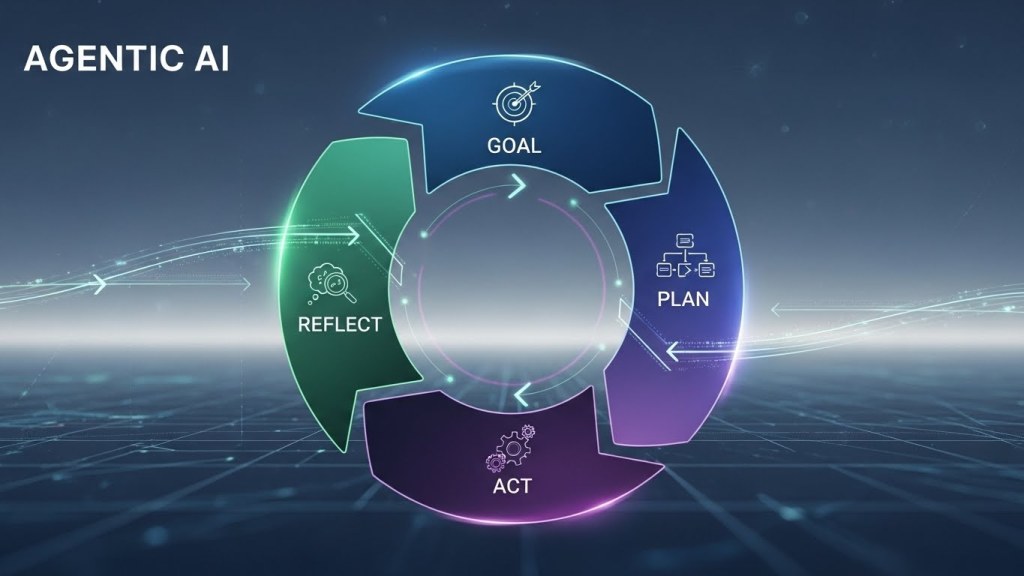
Agentic AI Systems
Agent-based workflows that coordinate models, tools, and execution logic to operate continuously and autonomously.
Machine learning has reached a point where prediction, when done rigorously, can reliably describe complex real-world systems. The next step is not more abstraction, but better integration, where predictive intelligence operates continuously within practical constraints.
MLPowersAI focuses on building AI systems that respect this progression. By combining domain-aware predictive models with agentic workflows, the goal is not automation for its own sake, but intelligence that can be trusted, deployed, and evolved over time.
This work is ongoing. The models, systems, and demonstrations presented here reflect an approach that values depth, clarity, and real-world applicability over novelty.
 MLPowersAI